
Most homeowners requesting exterior cleaning ask for pressure washing. It is the term they know, it sounds thorough, and it suggests power and results.
For most PNW homes, it is the wrong call.
Pressure washing applied to composition shingles
- Strips granules
- Lifts edges
- And can void manufacturer warranties in a single visit!!
Applied to siding, it forces water behind panels and damages paint or the substrate underneath. The results look good for a few weeks, but the damage underneath is harder to see and more expensive to fix.
Soft washing is a different method entirely. Not a gentler version of pressure washing — a different approach with different tools, different chemistry, and different outcomes.
What the Difference Actually Is
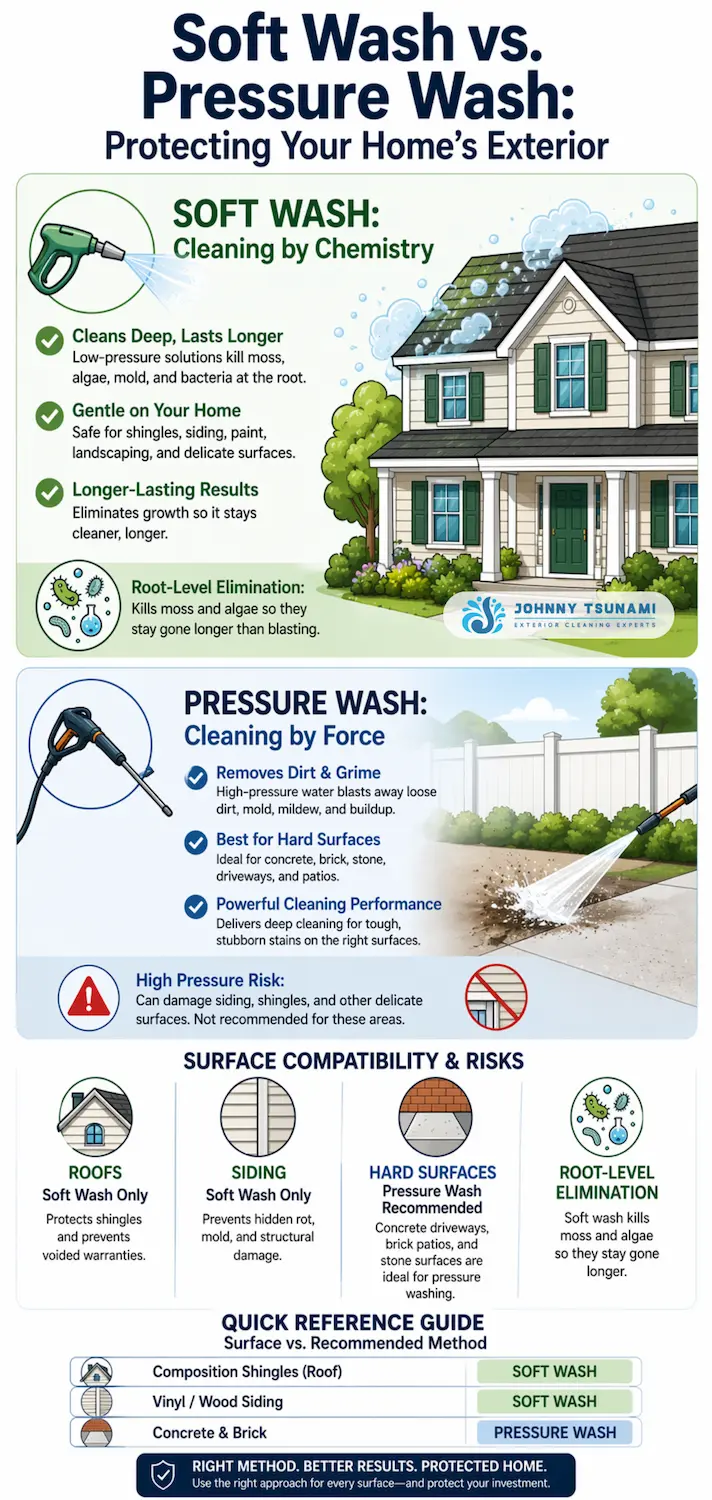
Pressure washing uses high-pressure water to blast debris off a surface. The cleaning agent is water itself, at force. For hard surfaces like concrete driveways and brick — surfaces designed to take impact — it works well.
For organic surfaces like wood, painted siding, and composition shingles, the pressure is the problem. The force that removes debris also removes protective layers, lifts surface materials, and creates entry points for water.
Soft washing uses low-pressure water delivery paired with a professional-grade cleaning solution. The chemistry does the work, not the pressure. The solution penetrates organic growth — moss, algae, mildew, lichen — and kills it at the root level rather than blasting the surface appearance.
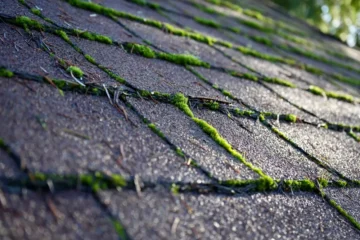
The distinction matters because the root is the problem. Pressure washing a mossy roof removes what you can see. The root system survives, re-establishes, and the moss is back faster than if it had been treated correctly. Soft washing kills the growth at the source. Treated roofs stay cleaner longer.
What Pressure Washing Does to a Roof
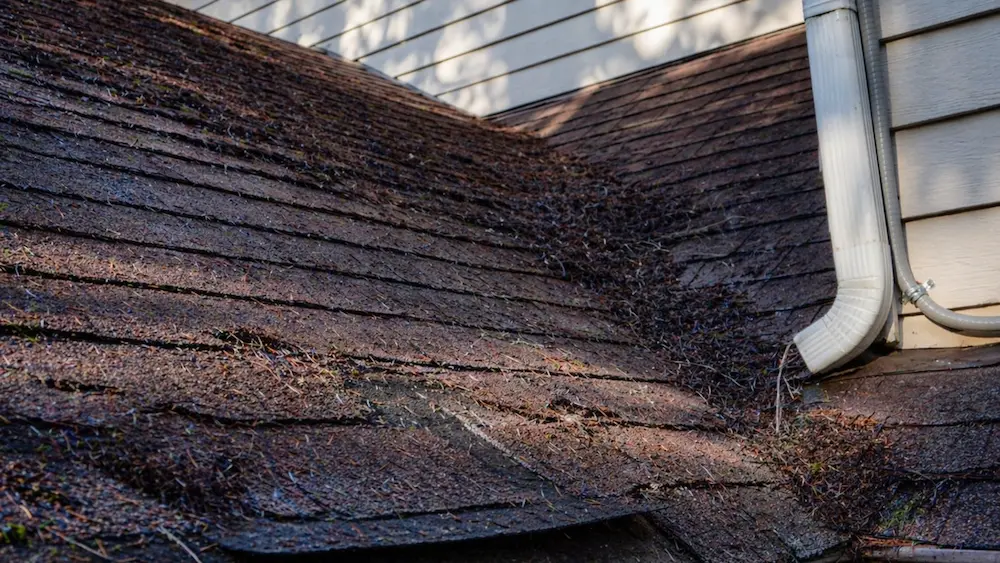
Composition shingles have a granule surface that protects the asphalt layer underneath from UV exposure and water penetration. These granules are not decorative — they are structural.
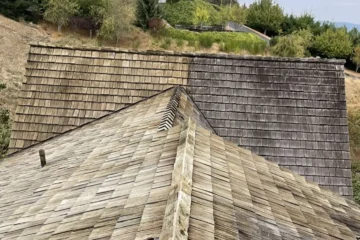
Pressure washing strips granules. A single pressure wash pass across a composition roof removes granules that took years to compact into the surface. The asphalt layer underneath is now more exposed to UV degradation and moisture. Shingle lifespan shortens.
Most composition shingle manufacturers include language in their warranty documentation that voids coverage if the roof is pressure washed. This is not fine print — it is a direct response to the damage pressure washing causes at the shingle level.
Pressure washing also lifts shingle edges, breaking the water-shedding overlap between shingles. Once that seal is gone, water gets underneath — the same structural problem that moss roots create, but caused mechanically in a single visit.
A roof that looked rough but was structurally sound before a pressure wash can have real integrity issues afterward.
What Pressure Washing Does to Siding
PNW siding deals with sustained moisture year-round. The job of good siding installation is to keep water moving off the surface and away from the structure behind it.
Pressure washing compromises that system.
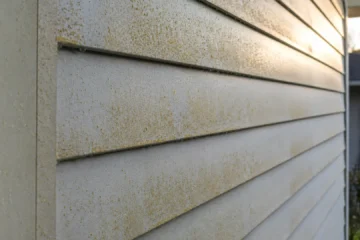
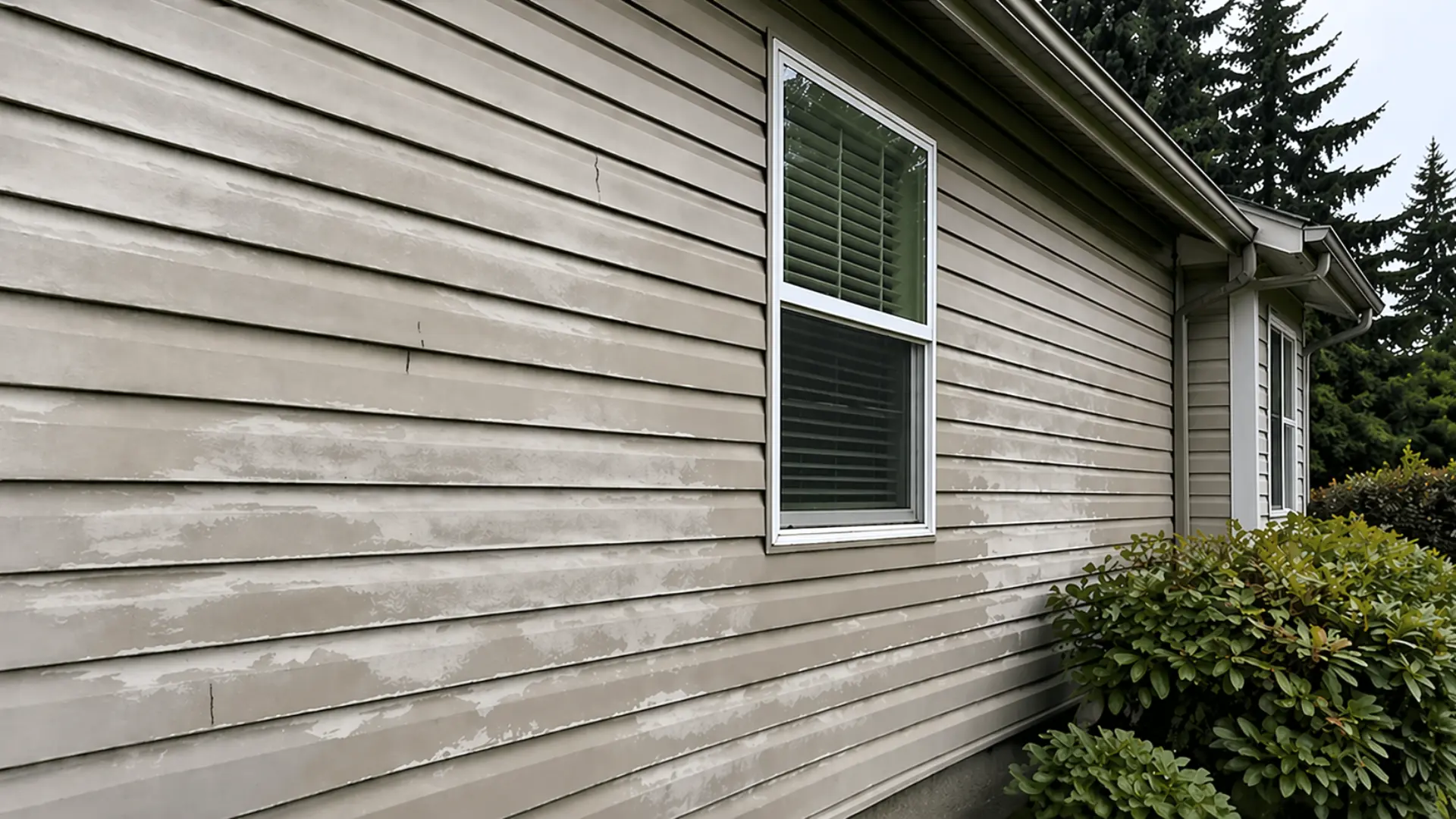
On vinyl siding, high-pressure water finds gaps at seams, around trim, and at panel overlaps. Water forced behind vinyl panels sits against the sheathing and framing underneath. That moisture causes rot and mold in spaces that are not visible until the damage is significant.
On wood and fiber cement siding, pressure washing strips paint and surface coatings that protect the material. Once the protective layer is compromised, the siding absorbs moisture directly.
Soft washing removes algae and organic growth from siding surfaces without forcing water into the building envelope. The solution runs down the surface and the rinse uses low-pressure water that does not penetrate gaps.
When Pressure Washing Is the Right Call
Not never — just not for roofs or siding.
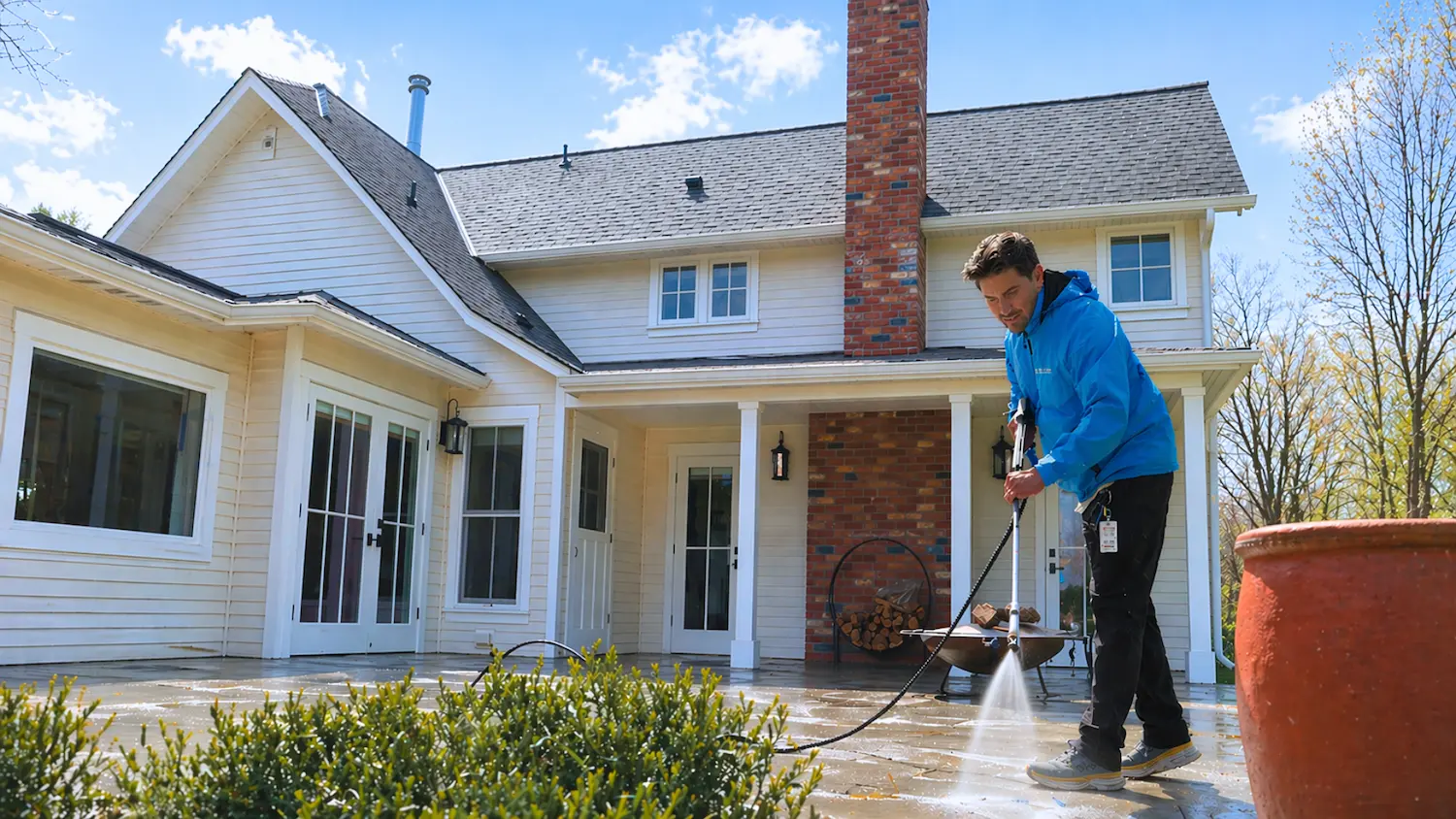
Concrete driveways, brick patios, paver walkways, and masonry surfaces are designed to handle impact. Pressure washing removes embedded grime, mold staining, and organic buildup from these surfaces effectively without causing damage. For flat hard surfaces, it is often the best method.
Decks are a more nuanced case. Pressure washing wood decks requires the right technique, the right pressure setting, and experience with the specific wood type. Done incorrectly it raises the grain and splinters the surface. Done correctly it prepares the wood for staining or sealing.
The short version: pressure washing belongs on surfaces that can take impact. Roofs and siding are not those surfaces.
What to Ask Before You Book
If you are getting quotes for exterior cleaning and a contractor recommends pressure washing for your roof or siding, ask one question: what pressure setting are you using and why?
A contractor who soft washes roofs and siding correctly will explain the method without prompting. One who defaults to pressure washing for everything is either working with the wrong equipment or the wrong training.
The method matters as much as the result. A clean-looking roof that has had its granules stripped and its shingle edges lifted has been cleaned and damaged in the same visit.
Frequently Asked Questions
Q: What is the difference between soft washing and pressure washing?
A: Soft washing uses low-pressure water delivery combined with a professional-grade cleaning solution that kills organic growth at the root level. Pressure washing uses high-pressure water to blast surfaces clean. For roofs and siding, soft washing is the correct method.
Q: Will pressure washing damage my roof?
A: Yes, for composition shingle roofs. Pressure washing strips the granule layer that protects shingles from UV exposure and water penetration. It also lifts shingle edges and can break the water-shedding overlap between shingles. Most composition shingle manufacturers void warranty coverage if the roof is pressure washed.
Longevity, Safety & Siding
Q: How long does soft washing last compared to pressure washing?
A: Soft-washed surfaces stay cleaner longer because the treatment kills organic growth at the root. Pressure-washed surfaces look clean immediately but the root systems survive and re-establish faster. A soft-washed roof in the PNW typically stays cleaner for 12–18 months before retreatment is needed.
Q: Is soft washing safe for all siding types?
A: Soft washing is appropriate for most residential siding types including vinyl, fiber cement, wood, and painted surfaces. The low-pressure application prevents the water intrusion that pressure washing causes. If you have a specific material concern, mention it before the service.
Q: Can I pressure wash my own driveway?
A: Yes. Concrete driveways, brick patios, and masonry surfaces are designed to handle the impact of pressure washing and it is an effective method for these surfaces. Consumer-grade pressure washers are adequate for most residential driveways. Keep the pressure washer away from roofs, siding, and wood surfaces.
Q: Why does moss come back faster after pressure washing than after soft washing?
A: Pressure washing removes the visible moss but leaves the root system embedded in the shingle surface. The roots survive, and new growth re-establishes from the existing root system faster than from a new spore. Soft washing kills the root system with the cleaning solution, so new growth has to start from scratch.
Choosing the Right Contractor
Q: How do I know which method a contractor is using?
A: Ask directly before booking. A reputable exterior cleaning contractor will confirm they soft wash roofs and siding without hesitation. If a contractor is vague about their method or defaults to pressure washing for everything, ask specifically about roof cleaning technique and pressure settings.
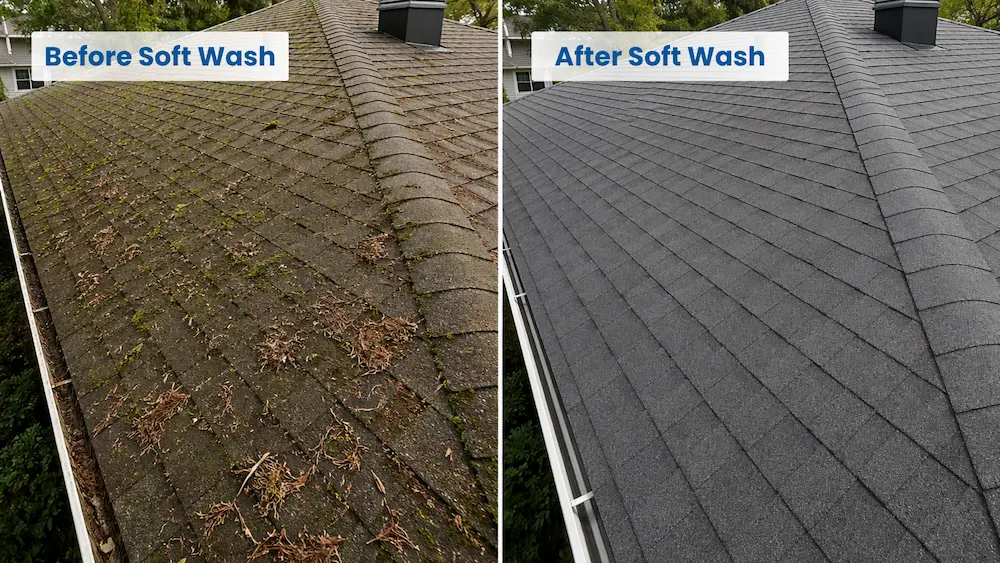
If you are getting quotes for exterior cleaning this spring, the method matters as much as the price.
Soft washing treats the problem. Pressure washing treats the appearance.
We serve the Pacific Northwest. A quote takes 60 seconds. No obligation.
[Get a Free Quote] — johnnytsunami.com/quote | Call or text (360) 440-6301